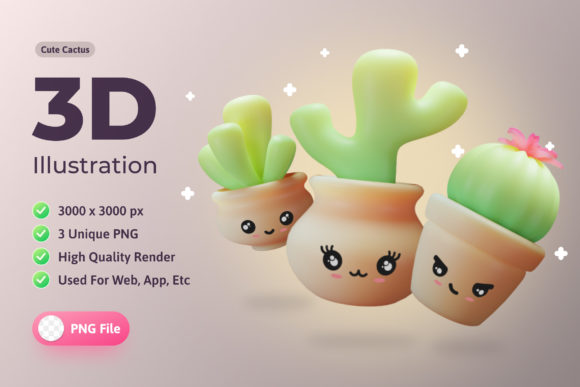
Elevate Your Digital Projects with High-Quality 3D Illustration Plants and Cute Cactus Assets
In the rapidly evolving landscape of digital design, the demand for unique, engaging, and visually striking assets has never been higher. Whether you are a seasoned UI/UX designer crafting the next big mobile application or a creative director building a brand identity, the choice of visual elements can make or break user engagement. Enter the world of 3D illustration plants, specifically the charming and versatile cute cactus designs. These aren't just decorative pixels; they are powerful communication tools that bring warmth, personality, and modern aesthetics to your projects.
This article explores why high-quality 3D botanical illustrations, particularly cute cacti, have become essential resources for designers across various industries. We will delve into their practical applications, technical specifications, and how they fit into the broader ecosystem of modern web and app design.
The Rise of 3D Botanicals in Digital Design
Gone are the days when flat, two-dimensional icons were sufficient to capture user attention. Today’s users expect depth, realism, and tactile qualities in the interfaces they interact with. This shift has propelled 3D illustration into the spotlight. Among the myriad of 3D subjects, plants and nature-inspired elements stand out for their ability to evoke calmness, growth, and organic beauty.
Cacti, in particular, offer a unique aesthetic appeal. They are resilient, low-maintenance, and undeniably cute when stylized. A 3D illustration plant cute cactus combines the rugged texture of real succulents with soft, rounded shapes and vibrant colors that resonate well with modern audiences. These assets bridge the gap between professional corporate design and playful, approachable user experiences.
Why Choose Cute Cactus Illustrations?
The specific choice of a "cute" cactus over a realistic, thorny desert plant is strategic. In UI/UX design, the goal is often to reduce cognitive load and create a friendly environment. A stylized, adorable cactus:
- Humanizes the Brand: It adds a touch of whimsy that makes technology feel less intimidating.
- Encourages Positive Emotion: Soft curves and pastel or vibrant tones trigger positive psychological responses.
- Offers Versatility: From health apps to educational platforms, these illustrations adapt seamlessly to various themes.
Technical Superiority: Understanding High-Quality Renders
Not all 3D assets are created equal. When sourcing illustrations for critical design projects, resolution and format are paramount. The standard for premium 3D illustration plants involves high-fidelity rendering that ensures clarity across all devices. Let’s break down what makes a top-tier asset package valuable.
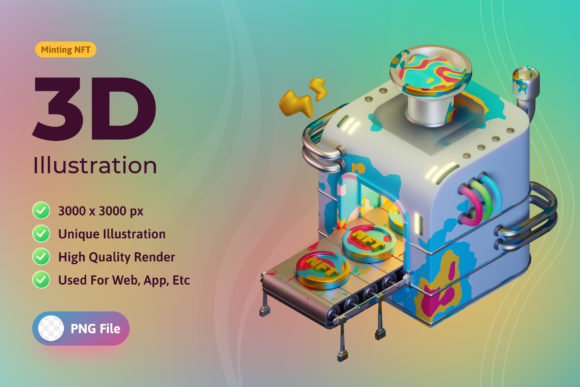
Resolution Matters: The 3000 x 3000 Pixel Standard
One of the key features of professional-grade 3D plant illustrations is their resolution. High-quality renders are typically provided at 3000 x 3000 pixels. Why is this size significant?
- Scalability: At this resolution, images can be scaled up for large-format displays, such as digital billboards or high-DPI screens, without any loss of sharpness or pixelation.
- Cropping Flexibility: Designers often need to adjust compositions. Starting with a massive canvas allows you to crop and reframe elements without compromising quality.
- Print Readiness: While primarily used for digital media, 3000px images can also be utilized for print materials like brochures, posters, and packaging, ensuring consistency across omnichannel marketing.
The Importance of PNG Format
The inclusion of PNG files in your asset pack is crucial. Unlike JPEGs, PNGs support transparency. For UI/UX designers, this means you can place a cute cactus directly onto any background—whether it's a dark mode interface, a gradient mesh, or a complex patterned layout—without worrying about unsightly white boxes around the subject. This transparency allows for seamless integration into layer-based workflows in software like Figma, Adobe XD, or Sketch.
Practical Applications Across Industries
So, where exactly do these 3D illustration plants shine? Their utility extends far beyond simple decoration. Here is how different sectors leverage these assets.
User Interface (UI) and User Experience (UX) Design
In app development, onboarding screens are critical for first impressions. Using a series of cute cactus illustrations can guide users through setup processes with a sense of progress and achievement. Imagine a fitness app where each completed workout unlocks a new stage of growth for a virtual cactus garden. This gamification element, powered by 3D art, increases user retention and satisfaction.
Furthermore, in dashboards and data visualization, heavy text can be overwhelming. Replacing bullet points with small, 3D plant icons creates a visual hierarchy that is easier to scan and more aesthetically pleasing.
Web Infographics and Content Marketing
Content is king, but presentation is queen. Web infographics require eye-catching visuals to hold reader attention. A static bar chart is informative, but a bar chart topped with a 3D rendered cactus that grows taller as the data point increases is memorable. These illustrations break up long blocks of text, encouraging readers to stay on the page longer—a key metric for SEO and user engagement.
Mobile App Development
Mobile screens are small, making every pixel count. 3D assets add depth and dimensionality that can make an app feel premium. For e-commerce apps, especially those selling lifestyle, home decor, or wellness products, 3D plant illustrations serve as perfect placeholders or promotional banners. They convey a sense of tranquility and natural living, aligning with the values of many modern consumers.
Building a Broader Understanding: Beyond the Visuals
It is important to clarify a common misconception: using 3D illustrations does not mean sacrificing performance. With proper optimization techniques, such as compression and lazy loading, high-resolution 3D assets can be implemented without slowing down website load times. Furthermore, investing in a library of reusable 3D assets saves time in the long run. Instead of commissioning custom art for every project, designers can rely on a cohesive set of 3D illustration plants to maintain brand consistency.
Enhancing Accessibility and Inclusivity
Design is also about accessibility. Colorful, distinct 3D illustrations can aid in distinguishing different sections of an interface, helping users with visual impairments navigate content more easily when paired with proper contrast ratios and alt-text descriptions. The "cute" aspect of cactus illustrations also promotes inclusivity by creating a welcoming atmosphere that appeals to diverse age groups and cultural backgrounds.
Conclusion: Investing in Quality for Better Outcomes
In conclusion, incorporating 3D illustration plants and cute cactus assets into your design toolkit is more than a trend—it is a strategic decision that enhances the visual appeal, usability, and emotional connection of your digital products. By opting for high-quality renders at 3000 x 3000 pixels in transparent PNG format, you ensure that your designs remain crisp, scalable, and adaptable across all platforms.
Whether you are designing a mobile app, a web infographic, or a comprehensive brand identity, these assets provide the perfect blend of professionalism and playfulness. As we move further into a digital-first world, the ability to create immersive, human-centered experiences will continue to differentiate successful brands from the rest. Start exploring the potential of 3D botanical illustrations today, and watch your projects transform from ordinary to extraordinary.
For designers seeking to elevate their work, remember that the right visual language speaks louder than words. Let the charm and clarity of 3D cacti lead the way in your next creative endeavor.