3D Christmas Socks 1 SVG Cut File
The holiday season brings a surge in creative energy, and for crafters, the desire to produce unique, high-quality decorations is at an all-time peak. Among the trending designs, the 3D Christmas Socks 1 SVG Cut File has emerged as a favorite for those looking to add depth and charm to their seasonal displays. However, simply downloading a file does not guarantee success. Many creators fall into the trap of assuming that any digital cut file will work seamlessly across all machines and software platforms. This assumption often leads to frustration, wasted materials, and subpar finished products.
This guide aims to clarify what this specific design entails, how its various formats serve different needs, and the common pitfalls you should avoid to ensure your project turns out exactly as envisioned. Whether you are a seasoned entrepreneur running a small Etsy shop or a hobbyist making gifts for family, understanding the technical nuances of vector graphics is essential for efficiency and quality.
Understanding the Design and Its Versatility
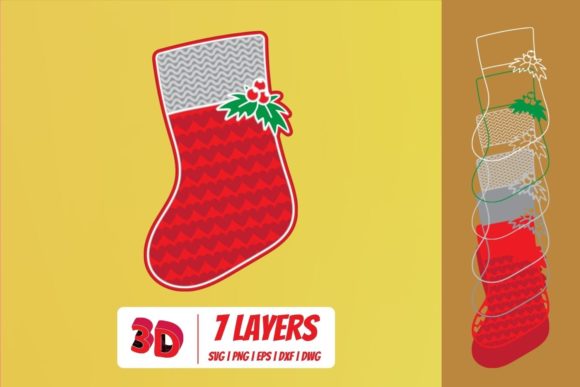
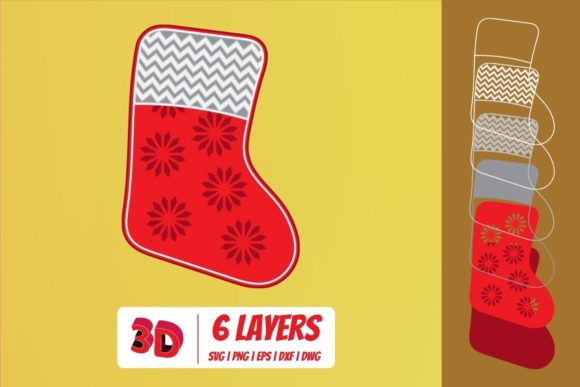
A 3D effect in paper crafts, wood signs, or fabric applications relies on layering. The 3D Christmas Socks 1 SVG Cut File is designed with multiple layers that, when cut separately and assembled, create a pop-up appearance. This adds visual interest that flat designs cannot achieve. The "sock" motif is a classic Christmas symbol, representing generosity and tradition, making it a timeless choice for decor.
Why choose this specific file? It offers flexibility. You are not limited to one material or machine. The inclusion of multiple file types within the download package allows users to select the best tool for their specific workflow. For instance, if you own a Cricut machine, you will primarily use the SVG format. If you are working with Silhouette Basic Edition, which lacks native SVG support, the DXF format becomes your lifeline. Understanding these distinctions prevents the common mistake of trying to open a file in incompatible software, which can result in broken paths or missing layers.
Decoding the File Formats: A Practical Breakdown
One of the most overlooked aspects of buying digital cut files is knowing which format corresponds to which software. When you purchase the 3D Christmas Socks 1 SVG Cut File Download, you receive a zipped folder containing SVG, DXF, PNG, and EPS files. Each serves a distinct purpose, and using them incorrectly can lead to significant headaches.
SVG: The Standard for Modern Cutting Machines
The SVG (Scalable Vector Graphics) format is the gold standard for modern electronic cutting machines. It retains editability, meaning you can resize, rotate, and separate layers without losing quality. This file is compatible with:
- Cricut Design Space: Ideal for beginners and pros alike.
- Silhouette Designer Edition: Offers advanced editing capabilities.
- Make the Cut (MTC): A robust option for Windows users.
- Sure Cuts A Lot (SCAL): Popular for its user-friendly interface.
- Brother ScanNCut “Canvas” software: Ensures compatibility with Brother’s ecosystem.
Common Mistake: Users often try to upload SVGs directly into older software versions that do not support the latest SVG specifications. Always check your software version before attempting to import. If the file fails to load, it may be due to complex grouping or unexpanded text, which requires pre-processing in a vector editor like Inkscape or Illustrator.
DXF: The Bridge for Basic Software
If you are using Silhouette Basic Edition, you cannot use SVG files. Instead, you must utilize the DXF (Drawing Exchange Format) included in the download. DXF files are widely supported by CAD and basic design programs. While they are less flexible than SVGs regarding layer manipulation in some cutting software, they are perfectly adequate for simple cutting tasks.
Practical Advice: Before cutting, always open the DXF file in a viewer or the basic edition software to verify that all layers are present and correctly oriented. Missing layers are a frequent issue when converting between formats, so a quick visual check saves hours of re-cutting.
EPS: Professional Vector Editing
The EPS (Encapsulated PostScript) format is crucial for professionals using CorelDraw, Inkscape, and Adobe Illustrator. Unlike SVG, which is optimized for cutting machines, EPS is a legacy vector format that preserves intricate details and color information. This is particularly useful if you plan to modify the design significantly, such as adding custom text or changing the color palette before exporting back to SVG or DXF.
Warning: Do not attempt to send an EPS file directly to a Cricut or Silhouette machine without converting it first. These machines do not read EPS natively. Use Illustrator or Inkscape to convert the EPS to SVG, ensuring that all colors are mapped to appropriate cut lines.
PNG: Visual Reference Only
The PNG file included is a raster image with a transparent background at 300 DPI. It is intended for preview purposes, marketing materials, or reference during the assembly process. It cannot be used for cutting because it is made of pixels, not vectors. Resizing a PNG will result in pixelation and jagged edges, ruining the precision required for a clean 3D effect.
Common Pitfalls in Assembly and Material Selection
Even with the correct file, the final result depends heavily on execution. Here are practical tips to avoid common errors.
Layer Alignment and Registration
The "3D" aspect of the sock design relies on precise alignment of layers. If you cut each layer from different sheets of paper or cardstock, slight misalignments can occur during assembly. To mitigate this, consider cutting all layers from a single sheet if your material allows, or use registration marks if your machine supports them. Additionally, use low-tack tape to temporarily hold layers in place while gluing to ensure perfect centering.
Material Thickness Matters
A frequent misunderstanding is assuming that any paper will work for a 3D design. Thick cardstock provides structure but can be difficult to fold sharply. Thin paper may tear under the weight of layered elements. For the 3D Christmas Socks 1 SVG Cut File, medium-weight cardstock (around 80-110 lb) is often recommended. It holds shape well without being too rigid. If you are using fabric or felt, be aware that these materials require adhesive rather than just folding, and the edges may fray if not sealed properly.
Ignoring Cut Settings
Different materials require different blade depths and speeds. Using settings meant for vinyl on thick cardstock will result in incomplete cuts, forcing you to manually trim edges—a tedious and imprecise task. Conversely, using heavy-duty settings on thin paper can cause the blade to cut through multiple layers unintentionally. Always perform a test cut on a small scrap piece of your chosen material before committing to the full design.
Evaluating Your Purchase Decision
Before downloading or purchasing the 3D Christmas Socks 1 SVG Cut File, take a moment to evaluate your current setup. Do you have the necessary software? Are your cutting mats clean and free of debris? Is your blade sharp? A dull blade can distort delicate details, especially in the curves of the sock design.
Furthermore, consider the end use. If you are selling items, ensure that the license agreement for the file permits commercial use. Some creators restrict sales of finished goods, while others allow it with attribution. Checking these terms protects your business from legal issues and respects the designer’s intellectual property.
Conclusion
The 3D Christmas Socks 1 SVG Cut File is more than just a digital image; it is a toolkit for creating festive, dimensional art. By understanding the roles of SVG, DXF, EPS, and PNG formats, and by avoiding common mistakes related to software compatibility, material selection, and assembly precision, you can achieve professional-looking results. Take the time to prepare your workspace, verify your files, and choose the right materials. With careful attention to detail, this design can become a standout piece in your holiday collection, whether for personal enjoyment or commercial success.