Evaluating Abstract 3D Technology Arrow Shapes for Professional Design Projects
In the realm of digital graphic design, visual metaphors play a critical role in conveying complex ideas quickly and effectively. Among these metaphors, directional indicators—specifically arrows—serve as universal symbols for progress, movement, technology, and forward momentum. When designers seek to incorporate these elements into modern tech-focused layouts, they often turn toward Abstract 3D Technology Arrow Shapes. These assets are not merely decorative; they are structural components that can define the aesthetic tone of a brand identity, a presentation slide, or a web interface.
This evaluation explores the specific characteristics, technical specifications, and practical applications of high-resolution vector arrow illustrations. By understanding the nuances of these assets, designers and creative directors can make informed decisions about when to utilize abstract 3D forms versus flat designs or other graphical approaches.
Defining the Asset: What Are Abstract 3D Technology Arrow Shapes?
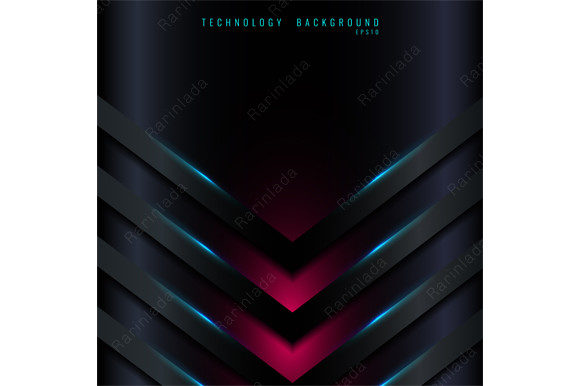
The term "Abstract 3D Technology Arrow Shapes" refers to a specific category of vector graphics that combine geometric precision with simulated depth. Unlike traditional two-dimensional icons, these shapes utilize shading, gradients, and layering to create the illusion of three-dimensionality on a flat screen. The core subject matter typically involves angular forms, such as triangles, chevrons, and fragmented polygons, arranged to suggest dynamic motion or structural integrity.
What distinguishes this particular style is its emphasis on the "technology" aesthetic. This is achieved through clean lines, sharp angles, and a color palette that often defaults to cool tones like blues, cyans, and deep indigos against dark backgrounds. The visual language communicates concepts such as data flow, cybersecurity, artificial intelligence, and future-forward innovation. For businesses operating in the B2B tech sector, healthcare, or financial services, these visuals provide an immediate association with reliability and advanced engineering.
A key feature of premium versions of these assets is their construction. They are described as being "100 vector," meaning every curve, line, and shadow effect is mathematically defined rather than rasterized. This ensures that the graphics remain crisp at any scale, from a tiny favicon to a massive billboard. The inclusion of layers allows for extensive customization, enabling designers to isolate specific components of the arrow structure for unique compositions.
Technical Specifications and Workflow Integration
When evaluating design resources, technical compatibility is just as important as visual appeal. The file formats included with high-quality abstract arrow sets are crucial for seamless integration into professional workflows. Typically, these assets are provided in EPS Version 10 and JPG formats, each serving a distinct purpose.
- EPS Version 10: This format is the industry standard for vector-based graphic programs such as Adobe Illustrator and Corel Draw. EPS (Encapsulated PostScript) files preserve all editable properties, including paths, anchors, and color fills. Version 10 is particularly notable for its broad compatibility, ensuring that even older software installations can open and manipulate the files without corruption. This makes it an ideal choice for agencies that work with diverse teams using different software versions.
- JPG: While JPGs are raster images and lose the scalability benefits of vectors, they are essential for quick previews, web usage, or situations where vector editing is unnecessary. High-resolution JPGs (often at 300 dpi) allow designers to inspect the lighting and texture details before committing to the vector file for final production.
The resolution of 300 dpi mentioned in the product description primarily applies to the preview or rasterized output. However, the true value lies in the vector source. Because the graphics are fully editable, designers can modify the hue, adjust the perspective, or combine multiple arrow shapes to create entirely new compositions. This flexibility reduces the need to search for additional assets, streamlining the creative process.
Comparative Analysis: 3D Abstract vs. Flat and Skeuomorphic Designs
To understand the fit of Abstract 3D Technology Arrow Shapes, it is helpful to compare them with other prevailing design trends. The choice between styles often depends on the context of the project and the target audience's expectations.
Flat Design
Flat design has dominated UI/UX trends for years due to its simplicity and fast loading times. It relies on solid colors, minimal shadows, and simple geometry. While flat arrows are excellent for mobile interfaces where screen real estate is limited, they may lack the visual impact required for high-stakes presentations or hero banners. Abstract 3D arrows offer a middle ground: they retain the clean, modern feel of flat design but add enough depth to grab attention without becoming cluttered. They are particularly effective when used as background elements or accent pieces rather than primary navigation tools.
Skeuomorphism and Realistic 3D
On the other end of the spectrum lies skeuomorphism, which attempts to replicate real-world textures and materials (e.g., leather, wood, metal). While realistic 3D renders are stunning, they are often computationally expensive to produce and can appear dated if not executed perfectly. Abstract 3D arrows avoid this pitfall by focusing on stylized geometry rather than photorealism. They convey the *idea* of 3D space without the weight of realism, making them more versatile for digital screens and print media alike.
Isometric Illustrations
Isometric design shares similarities with abstract 3D in its use of perspective. However, isometrics are strictly bound to a fixed angle (usually 30 degrees) and grid system. Abstract 3D arrows are more free-form, allowing for dynamic rotation and varied perspectives. This makes them better suited for organic layouts or designs that require a sense of chaotic energy or rapid movement, whereas isometrics are better for structured data visualization.
Strengths, Tradeoffs, and Best-Fit Situations
No single design asset is a universal solution. Understanding the strengths and limitations of Abstract 3D Technology Arrow Shapes helps in determining whether they are the right tool for a specific job.
Strengths
- Scalability: Being 100% vector, these shapes can be resized infinitely without pixelation. This is critical for responsive web design where images must adapt to various screen sizes.
- Customizability: The layered nature of the files allows for significant modification. A designer can change the blue gradient to a corporate red, remove specific layers to simplify the shape, or extrude parts of the arrow to create a unique logo mark.
- Professional Aesthetic: The dark background and sharp angles associated with this style inherently communicate sophistication and technical expertise. They are less likely to be perceived as childish or amateurish compared to simpler clip art.
- Space Efficiency: In layouts with limited text space, these shapes can act as visual anchors, guiding the viewer’s eye toward key messages without requiring lengthy explanations.
Tradeoffs and Limitations
- Complexity: Highly detailed 3D vector files can have numerous anchor points, which may slow down performance in older computers or less robust software environments. Designers should be prepared to optimize files if necessary.
- Overuse Risk: Because this style is popular in tech marketing, there is a risk of visual fatigue if the same generic arrow shapes are used across multiple brands. Unique customization is essential to maintain brand differentiation.
- Accessibility: Complex 3D effects can sometimes reduce contrast or clarity, posing challenges for users with visual impairments. Careful consideration of color contrast and alt-text is required to ensure accessibility compliance.
Decision Factors: When to Choose Abstract 3D Arrows
Selecting Abstract 3D Technology Arrow Shapes is most appropriate when the goal is to convey motion, growth, or technological advancement in a visually striking manner. They are particularly well-suited for:
- Corporate Presentations: Slide decks for startups or tech firms benefit from these graphics to illustrate roadmaps, growth charts, or process flows. The 3D effect adds a premium feel that engages audiences.
- Website Hero Sections: Large-scale headers on websites selling software, cloud services, or AI solutions often use these shapes to create a dynamic backdrop that suggests speed and connectivity.
- Infographics: When explaining complex data streams or network architectures, abstract arrows can break up dense text and provide visual cues for directionality.
- Marketing Materials: Brochures, whitepapers, and email newsletters can use these elements as section dividers or bullet point alternatives to maintain visual interest.
Conversely, readers might need another option if their project prioritizes ultra-minimalism, strict adherence to WCAG accessibility standards without extensive tweaking, or a hand-drawn, organic aesthetic. In cases where load time is the absolute primary concern and the design is purely functional, lightweight SVG flat icons may be a more efficient choice.
Conclusion on Utility and Value
The availability of high-resolution, fully editable vector assets like Abstract 3D Technology Arrow Shapes represents a significant value proposition for professional designers. By providing EPS Version 10 compatibility alongside high-quality JPG previews, these files bridge the gap between creative flexibility and technical reliability. They allow for precise control over the visual narrative while maintaining the scalability required in modern multi-platform design.
Ultimately, the decision to use these assets should be driven by the specific communicative needs of the project. If the objective is to project a image of modern, reliable, and forward-thinking technology, these abstract 3D forms offer a robust and versatile solution. Their ability to be deconstructed and rebuilt within vector-based programs ensures that they remain a valuable resource in a designer’s toolkit, adaptable to evolving trends and brand requirements.